قابلت الدراسة تسع أمهات لأطفال ذوي اضطراب طيف التوحد في السعودية. وأظهرت أن الأمهات هن أول من يلحظ مواهب أطفالهن ويدافع عنها، في حين يبقى اعتراف المؤسسات بهذه المواهب محدودًا. وتدعو إلى إدراج نقاط القوة والمواهب في التقييم والتدخل.The study interviewed nine mothers of children with autism in Saudi Arabia. Mothers were the first to notice and advocate for their children’s talents, while institutional recognition remained limited. It calls for including strengths and talents in assessment and intervention.
المستخلصAbstract
على الرغم من التوسع السريع في أبحاث التوحد، فإنها ما تزال قائمة في الغالب على أطر تركز على العجز وتبرز جوانب القصور بدل نقاط القوة. وتستكشف هذه الدراسة الظاهراتية الخبرات المعيشة للأمهات في التعرف على المواهب ونقاط القوة الكامنة لدى أطفالهن ذوي اضطراب طيف التوحد ودعمها، في السياق الاجتماعي والثقافي السعودي. وشاركت تسع أمهات في مقابلات معمقة شبه مقننة، وحُللت البيانات بالتحليل الظاهراتي التفسيري، فكشف عن خمسة محاور مترابطة: (أ) «بصيص أمل» أولي عند اكتشاف القدرات لأول مرة؛ (ب) محدودية اعتراف المؤسسات بنقاط قوة الأطفال؛ (ج) نشوء مناصرة منزلية وممارسات غير رسمية تركز على نقاط القوة؛ (د) اعتراف اجتماعي مشروط بالمواهب المرتبطة باضطراب طيف التوحد؛ (هـ) تأييد نهج تعليمي قائم على نقاط القوة. وتبيّن النتائج أن للأمهات دورًا محوريًا بوصفهن مراقبات رئيسات لنقاط قوة أطفالهن ومناصرات لها، وتؤكد الحاجة إلى إبراز المواهب ونقاط القوة في ممارسات التقييم والتدخل.Although research on autism has expanded rapidly, it is still mainly based on deficit-oriented frameworks that emphasize limitations rather than strengths. This phenomenological study explores mothers’ lived experiences in identifying and supporting the hidden talents and strengths of their children with autism spectrum disorder (ASD) within the Saudi sociocultural context. Nine mothers participated in in-depth, semi-structured interviews. The data were analyzed using interpretative phenomenological analysis, which revealed five interconnected themes: (a) an initial “glimpse of hope” when abilities were first recognized; (b) limited recognition of children’s strengths by institutions; (c) the development of home-based advocacy and informal strength-focused practices; (d) socially conditional acknowledgment of ASD-related talents; and (e) support for a strengths-based approach to education. The findings show that mothers play a central role as key observers and advocates of their children’s strengths. They also highlight the need to make talents and strengths more visible in assessment and intervention practices.
الكلمات المفتاحية:Keywords:اضطراب طيف التوحد؛ النهج القائم على نقاط القوة؛ خبرات الأمهات؛ المواهب الكامنة؛ السياق السعوديAutism spectrum disorder; Strengths-based approach; Mothers’ experiences; Hidden talents; Saudi context
الترجمة العربية للمستخلص غير رسمية، والنص المعتمد هو نسخة المجلة.
التوثيق (APA)Cite (APA)
Alsamani, O. A. (2026). From deficits to strengths: Mothers’ lived experiences of recognizing and nurturing talents in children with autism spectrum disorder. International Journal of Advanced and Applied Sciences, 13(5), 35–42. https://doi.org/10.21833/ijaas.2026.05.004
9أمهات شاركن في مقابلات معمقة.mothers in in-depth interviews.
5محاور مترابطة كشف عنها التحليل.interconnected themes.
⌂مناصرة منزلية وممارسات غير رسمية تركز على نقاط القوة.home-based advocacy and informal strength-focused practices.
≠اعتراف مؤسسي محدود، واعتراف اجتماعي مشروط بالمواهب.limited institutional and socially conditional recognition of talents.
إدراج قياس نقاط القوة والمواهب في تقييم الأطفال ذوي التوحد، لا الاكتفاء بجوانب القصور.Include strengths and talents in the assessment of autistic children, not only limitations.
إشراك الأمهات شريكات في الملاحظة وبناء الخطط التربوية.Involve mothers as partners in observation and educational planning.
تبني نهج تعليمي قائم على نقاط القوة في برامج التربية الخاصة.Adopt a strengths-based approach in special education programs.
كيف تكتشف الأمهات مواهب أطفالهن ذوي التوحد، وكيف يرعينها؟How do mothers discover and nurture the talents of their autistic children?
تنطلق معظم الأطر التشخيصية والتربوية في مجال التوحد مما لا يستطيعه الطفل، وتترك ما يُحسنه في الظل. تقترب هذه الدراسة من الجهة الأخرى عبر أقرب الناس إلى الطفل: استمعت إلى تسع أمهات سعوديات يتحدثن عن لحظة اكتشاف موهبة أطفالهن، وعن محاولاتهن رعايتها في بيئة لا تلتفت إليها كثيرًا.Most diagnostic and educational frameworks in autism start from what a child cannot do, leaving what the child does well in the background. This study approaches the question from the other side, through the people closest to the child: it listened to nine Saudi mothers describe discovering their children's talents and trying to nurture them in settings that rarely notice them.
9أمهات في مقابلات معمّقةmothers in in-depth interviews
4مدن سعوديةSaudi cities
60–90دقيقة لكل مقابلةminutes per interview
5محاور مترابطةinterconnected themes
لماذا الأمهات؟Why mothers?
يتزايد الاهتمام في أدبيات التربية الخاصة بالانتقال من التركيز على القصور إلى الالتفات إلى نقاط القوة، إذ يُظهر كثير من الأفراد ذوي التوحد قدرات مثل الذاكرة المتقدمة والانتباه للتفاصيل وحل المشكلات بطرق إبداعية، ويصف مفهوم «مزدوجي الاستثنائية» من يجمعون بين موهبة وإعاقة في آن. غير أن معظم الممارسات القائمة على نقاط القوة ما زالت نظرية. والأم، بحكم رعايتها اليومية، تلاحظ هذه القدرات غالبًا قبل أي تقييم رسمي، ومع ذلك نادرًا ما تُسأل عنها. وفي السياق السعودي، حيث الوعي المجتمعي بالتوحد ما زال محدودًا ونادرًا ما تتضمن الأنظمة التعليمية تدخلات قائمة على نقاط القوة، تبقى تجربة الأمهات في هذا الجانب قليلة الدراسة.Special education research has been shifting from a focus on deficits toward attention to strengths: many autistic individuals show abilities such as advanced memory, attention to detail, and creative problem-solving, and the concept of twice-exceptionality describes those who combine high ability with a disability. Yet most strengths-based practices remain largely theoretical. Mothers, through daily caregiving, often notice these abilities before any formal evaluation, but they are rarely asked about them. In Saudi Arabia, where public awareness of autism is still limited and schools rarely build in strengths-based interventions, mothers' experiences of this side of their children's development have received little study.
كيف أُجريت الدراسة؟How the study worked
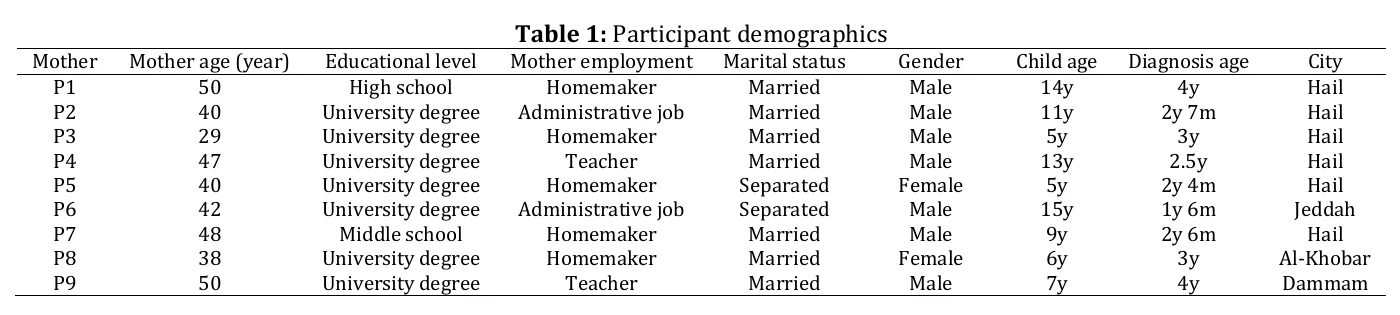
اعتمدت الدراسة المنهج الظاهراتي، وحللت البيانات بطريقة التحليل الظاهراتي التفسيري (IPA). شاركت تسع أمهات سعوديات من أربع مدن (حائل وجدة والخبر والدمام)، لكل منهن طفل مشخَّص رسميًا باضطراب طيف التوحد، ويظهر لديه موهبة أو نقاط قوة ملحوظة، وتشارك الأم بفاعلية في دعمه. تراوحت أعمار الأطفال بين 5 و15 عامًا. أُجريت المقابلات شبه المنظمة باللغة العربية مطلع عام 2025، وجهًا لوجه أو هاتفيًا. حلل الباحث وزميل متخصص في البحث النوعي وفي التوحد النصوص كلٌّ على حدة، واطّلعت المشاركات على ملخصات مقابلاتهن للتحقق من دقة التفسير.The study used a phenomenological design, analyzing the data with interpretative phenomenological analysis (IPA). Nine Saudi mothers from four cities (Hail, Jeddah, Al-Khobar, and Dammam) took part; each had a child with a formal autism diagnosis who showed observable talents or strengths, and each was actively involved in supporting that child. The children were 5 to 15 years old. Semi-structured interviews were held in Arabic in early 2025, in person or by phone. The author and a peer with qualitative and autism expertise analyzed the transcripts independently, and participants reviewed summaries of their transcripts to check the accuracy of the interpretations.
الجدول 1 من الدراسة: خصائص المشاركات وأطفالهن، ومنها عمر الطفل وعمره عند التشخيص والمدينة.Table 1 from the study: characteristics of the participating mothers and their children, including the child's age, age at diagnosis, and city.المحاور الخمسة بوصفها رحلة: من بصيص الأمل الأول إلى المطالبة بتعليم يقوم على نقاط القوة.The five themes as a journey: from the first glimpse of hope to a call for strengths-based education.
ماذا وجدت الدراسة؟What the study found
1
بصيص أمل: اكتشاف القدرةA glimpse of hope: discovering ability
وصفت سبع أمهات لحظة ملاحظة موهبة الطفل أول مرة بأنها نقطة تحول إيجابية، وسط رحلة مزدحمة بالتشخيصات وخطط العلاج. أعادت هذه اللحظة تشكيل نظرة الأم إلى طفلها وإلى تجربة الأمومة كلها، وزادها تقدير الآخرين لموهبته، كإشادة أخصائية برسمه، ثقةً بأن له ما يقدّمه.Seven mothers described first noticing a talent as a positive turning point in a journey crowded with diagnoses and therapy plans. The moment reframed how they saw their child and their whole experience of mothering, and recognition from others, such as a specialist praising a drawing, reinforced their sense that the child had something to offer.
«كأنها المرة الأولى التي أرى فيها شيئًا مُبهجًا في ابني… هناك شيء آخر، شيء مُبهج.» (P8)“It felt like the first time I saw something joyful in my son … there’s something else, something joyful.” (P8)
من أقوال المشاركينA participant
2
المؤسسة التي لا ترىThe blind institution
عبّرت سبع أمهات عن خيبة أملهن من مختصين ركزوا على ما ينقص الطفل وتجاهلوا قدراته، فلم تؤخذ ملاحظات الأمهات عن نقاط القوة بجدية في التقييم ولا في التخطيط للتدخل. وترى الأمهات أن هذا الإطار يمحو جوانب مهمة من هوية الطفل.Seven mothers expressed frustration with professionals who focused on what the child lacked and overlooked what the child could do; their observations about strengths were not taken seriously in assessment or intervention planning. Mothers felt this framing erased meaningful parts of their child's identity.
«لم يسألني أحد عمّا يحبه أو يُحسنه. دائمًا الحديث عن الخطأ فيه… أخبرتهم أنه سريع جدًا في الأرقام والرياضيات… وهذا مهم.» (P9)“No one asked me what he likes or is good at. It’s always about what’s wrong with him … I told them he’s really fast with numbers and math ... this is important.” (P9)
من أقوال المشاركينA participant
3
الأم مدافعةً عن المواهب الخفيةMaternal advocacy for hidden talents
حين غاب الدعم الخارجي، صنعت ست أمهات بيئات تعلّم خاصة في البيت: ألغاز تنمّي المهارات البصرية المكانية، وموسيقى لطفلة تتركز حين تسمع الأغاني، ورسم يتحول إلى وسيلة لتعليم الأرقام. لكن لهذه المناصرة كلفة؛ فقد وصفت أمهات شعورهن بالعزلة والإرهاق وهن يحملن عبئين معًا: متابعة العلاج، وإفساح المجال لنمو جوانب القوة.Without outside support, six mothers created their own learning environments at home: puzzles for visual-spatial skills, music for a daughter who focused when songs played, drawing turned into a way to teach numbers. This advocacy came at a cost; several mothers described feeling isolated or overwhelmed as they carried a dual load of managing therapy and making room for strengths to grow.
ألغاز وفيديوهات تعليمية في البيتPuzzles and instructional videos at home
الموسيقى مدخلًا للتركيزMusic as a way into focus
الرسم وسيلةً لتعلّم الأرقام وغيرهاDrawing as a route to numbers and more
«أشعر أنني أمشي هذا الطريق وحدي. أريد من يساعدني على تنمية موهبته، لا إصلاح مشكلاته فقط.» (P2)“I feel like I’m walking this road alone. I want someone to help me grow his talent, not just fix his problems.” (P2)
من أقوال المشاركينA participant
4
الموهبة طريقًا مشروطًا إلى الاعتراف الاجتماعيTalent as a conditional route to social recognition
رأت ست أمهات في موهبة الطفل فرصة لتغيير نظرة الآخرين إليه، لكن حديثهن عنها قوبل بالتشكيك أو المجاملة السطحية أو بإعادة الحوار إلى المخاوف المعتادة، حتى داخل العائلة الممتدة. وعشن صراعًا داخليًا بين الرغبة في إبراز قدرات الطفل والخوف من أن يُنظر إليهن بوصفهن ساذجات أو في حالة إنكار. ويتغير الموقف غالبًا حين يرى الآخرون الموهبة بأعينهم، فينتقل من الشفقة إلى الاحترام.Six mothers saw their child's talent as a chance to change how others saw the child, but talking about it met with disbelief, polite but shallow praise, or a turn back to conventional concerns, even within the extended family. Mothers felt torn between affirming their child's abilities and fearing they would be seen as naive or in denial. Attitudes often shifted, from sympathy toward respect, once others witnessed the talent themselves.
«يظن الناس أنني أبالغ أو أتخيل حين أقول إنها تُحسن شيئًا. كأنهم لا يصدقون أن طفلًا ذا توحد يمكن أن يكون موهوبًا.» (P8)“People think I’m exaggerating or imagining things when I say she’s good at something. It’s like they don’t believe a child with autism can be gifted.” (P8)
من أقوال المشاركينA participant
5
دعوة إلى التعلّم من خلال نقاط القوةA call for learning through strengths
اتفقت الأمهات التسع جميعًا على أن المدارس والمراكز العلاجية نادرًا ما توظّف اهتمامات أطفالهن ومواهبهم، وأن البدء مما يحبه الطفل أو يُحسنه ليس مجرد خيار مفضّل، بل مدخل ضروري إلى انتباهه وتفاعله ودافعيته للتعلم.All nine mothers agreed that schools and therapy centers rarely draw on their children's interests and talents, and that starting from what a child loves or does well is not merely preferable but a necessary gateway to attention, engagement, and motivation to learn.
«حين يحاولون تعليمه أشياء لا تهمه، بالكاد يستجيب. لكن حين يتعلق الأمر بما يحبه، يركز… ربما هذا هو المفتاح.» (P4)“When they try to teach him things he doesn’t care about, he barely responds. But when it’s about what he loves, he focuses … This may be the key.” (P4)
من أقوال المشاركينA participant
ما الذي يعنيه ذلك عمليًا؟What it means in practice
أن تتسع أنظمة التشخيص والتعليم لتشمل الاهتمامات والمواهب ونقاط القوة، إلى جانب جوانب الاحتياج.Diagnostic and educational systems should cover interests, talents, and strengths alongside areas of need.
أن يتجاوز إعداد المعلمين والمختصين الإكلينيكيين والأخصائيين النفسيين المدرسيين النماذج المرتكزة على القصور، نحو نماذج مستجيبة ثقافيًا تُبرز الإمكانات والفردية.Training for educators, clinicians, and school psychologists should move beyond deficit-oriented paradigms toward culturally responsive models that highlight potential and individuality.
أن تُصمَّم مناهج وتدخلات تراعي أساليب التعلم المفضّلة لدى هؤلاء الأطفال وتنطلق من اهتماماتهم ومواهبهم.Curricula and interventions should reflect these children's preferred ways of learning and build on their interests and talents.
أن تُدمج رؤى الأمهات في عمليات التشخيص والتخطيط التربوي، لأنهن في موقع فريد لفهم أطفالهن.Mothers' perspectives should be built into diagnosis and educational planning, since they are uniquely placed to understand their children.
أن يُوعّى المجتمع بإمكانات الأطفال ذوي التوحد، بما يسهم في مواجهة الوصمة.Raising public awareness of the potential of autistic children can help challenge stigma.
الأم هي أول من يلاحظ قدرة طفلها، وأول من يعمل عليها، وأكثر من يثابر في الدفاع عنها؛ والمطلوب أنظمة تشخيص وتعليم ومجتمع تبني على هذه القدرات أيضًا.Mothers are the first to observe their child's abilities, the first to act on them, and the most persistent in defending them; diagnostic, educational, and social systems need to build on those strengths as well.
مبني على البحث المنشور، والنص المعتمد هو نسخة المجلة.Based on the published article; the journal version is authoritative.
النقاشDiscussion
تعليق أو سؤال عن هذا البحثA comment or question about this study
هل طبّقت شيئًا من نتائجه في عملك، أو لديك سؤال أو ملاحظة؟ أقرأ التعليقات كلها، وأنشر المفيد منها مع الرد.Have you applied any of its findings in your work, or do you have a question or an observation? I read every comment and publish the useful ones with a reply.
النقاشDiscussion
تعليق أو سؤال عن هذا البحثA comment or question about this study
هل طبّقت شيئًا من نتائجه في عملك، أو لديك سؤال أو ملاحظة؟ أقرأ التعليقات كلها، وأنشر المفيد منها مع الرد.Have you applied any of its findings in your work, or do you have a question or an observation? I read every comment and publish the useful ones with a reply.